
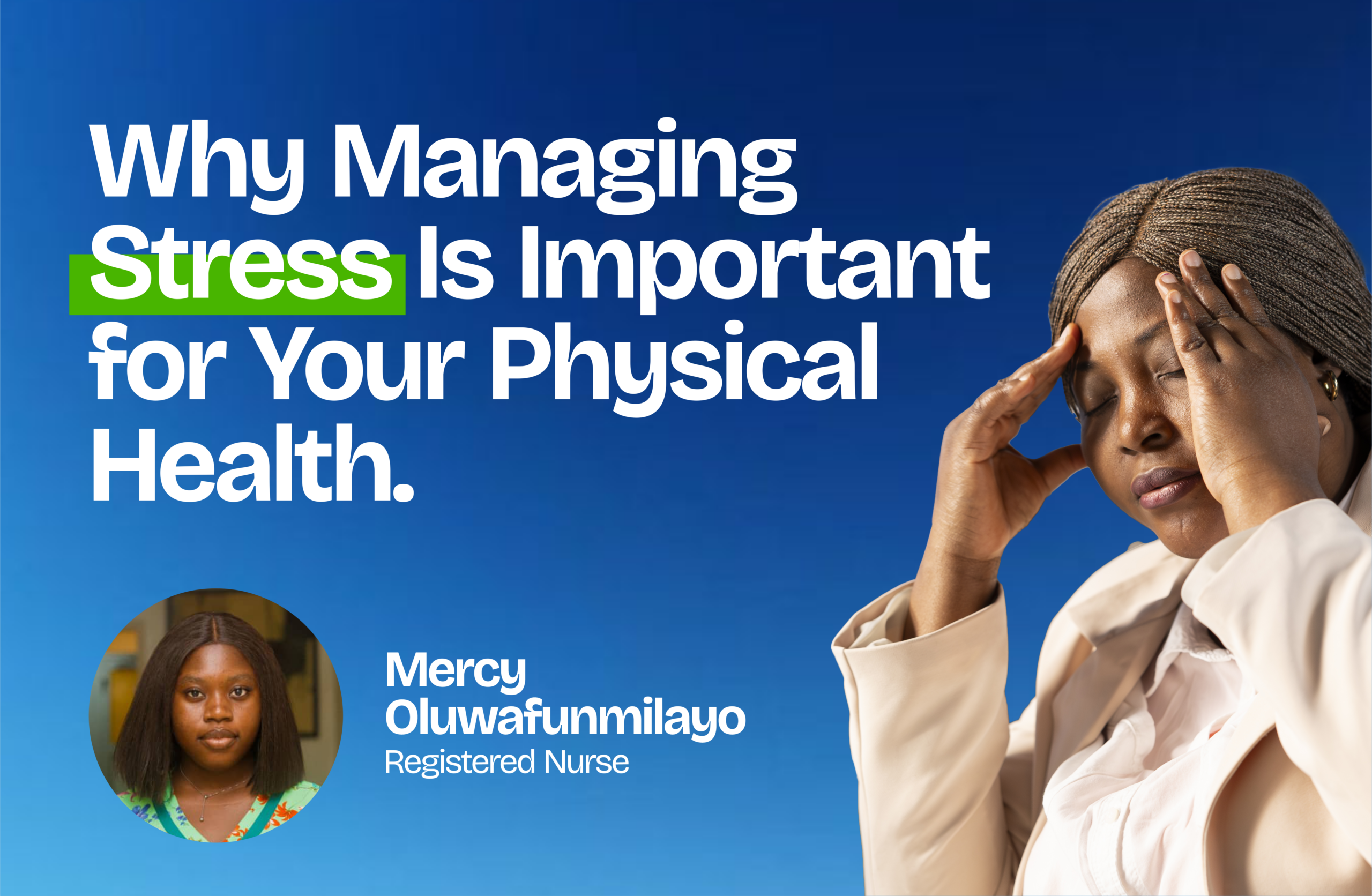
Stress is the natural response of the body and mind to challenges, demands, and unexpected changes. Stress has become a common part of modern life. From work responsibilities and financial pressure to academic demands and family obligations, many people experience stress daily. While short term stress can sometimes help individuals stay alert and focused, long-term stress can have serious effects on physical health if left unchanged.
Understanding The Physical Effects of Stress
When the body experiences stress, it releases hormones such as cortisol and adrenaline. These hormones activate the body’s flight or fight response, which prepares a person to react quickly in difficult situations. In small amounts, this response is normal and even helpful. However, when stress continues for a long period, the body remains in a constant state of tension, which can negatively affect overall health.
Impact On Major Body Systems
One of the most common physical effects of stress is high blood pressure; stress can increase heart rate and place extra strain on the cardiovascular system. Over time, this may increase the risk of heart diseases and other medical conditions. Stress can also weaken the immune system, making the body more vulnerable to infections and illness.
In addition, many people experience headaches, fatigue, muscle tension, and digestive problems because of stress. Individuals dealing with stress may struggle with insomnia or poor-quality sleep, which can further affect their physical or mental wellbeing.
Chronic stress may also influence lifestyle habits. Some individuals may skip meals, overeat, and avoid exercise, or rely on unhealthy coping mechanisms when they feel overwhelmed. These habits can contribute to long-term health problems such as obesity and diabetes.
Importance Of Preventive Healthcare
Managing stress is an important part of preventive health care. Simple habits such as regular exercise, healthy eating, proper sleep, and taking breaks during busy schedules can help reduce stress levels significantly. Spending time with loved ones, practicing relaxation techniques, and seeking professional support, when necessary, can also improve overall wellbeing.
Regular checkups are equally important because they can help identify stress-related health concerns early. Preventive healthcare allows individuals to take proactive steps toward maintaining their health before their condition becomes severe.
In Conclusion
In today’s fast-paced world, stress may be unavoidable but should not be ignored. Taking care of both mental and physical health is essential for living a balanced life. By recognizing the effects of stress and adopting healthier coping strategies, individuals can protect their wellbeing and improve their overall quality of life.
By:
Mercy Oluwafunmilayo
Registered nurse